About the toolkit
From ambition to a program of work
Ports are strategic gateways for economies across Asia and the Pacific. Around 80% of global merchandise trade by volume moves by sea, and Asia-Pacific handles roughly half of all seaborne cargo (UNCTAD, 2023). Ports across Asia and the Pacific sit at the center of this flow, connecting producers, consumers, and the supply chains the region's growth depends on. They are also exposed infrastructure assets: concentrated at the coast, often in sensitive environments, energy-intensive to run, and increasingly exposed to climate hazards.
Purpose
The Green Ports Toolkit was developed to help ADB's developing member countries meet this dual reality, delivering port infrastructure that is environmentally sound, climate-resilient, and socially responsible, and aligned with sustainable finance frameworks such as the ASEAN Taxonomy for Sustainable Finance.
It translates international frameworks and standards into concrete practices, each with implementation guidance, enabling factors, case studies, and mapped UN Sustainable Development Goals, so that teams can move from ambition to an actionable program of work.
Within the toolkit, users can create a port project to draw together the aspects and practices relevant to their port, a structured starting point rather than a finished plan. From there, teams develop the site-specific detail, approval pathways, and local requirements needed to turn it into an actionable program of work.
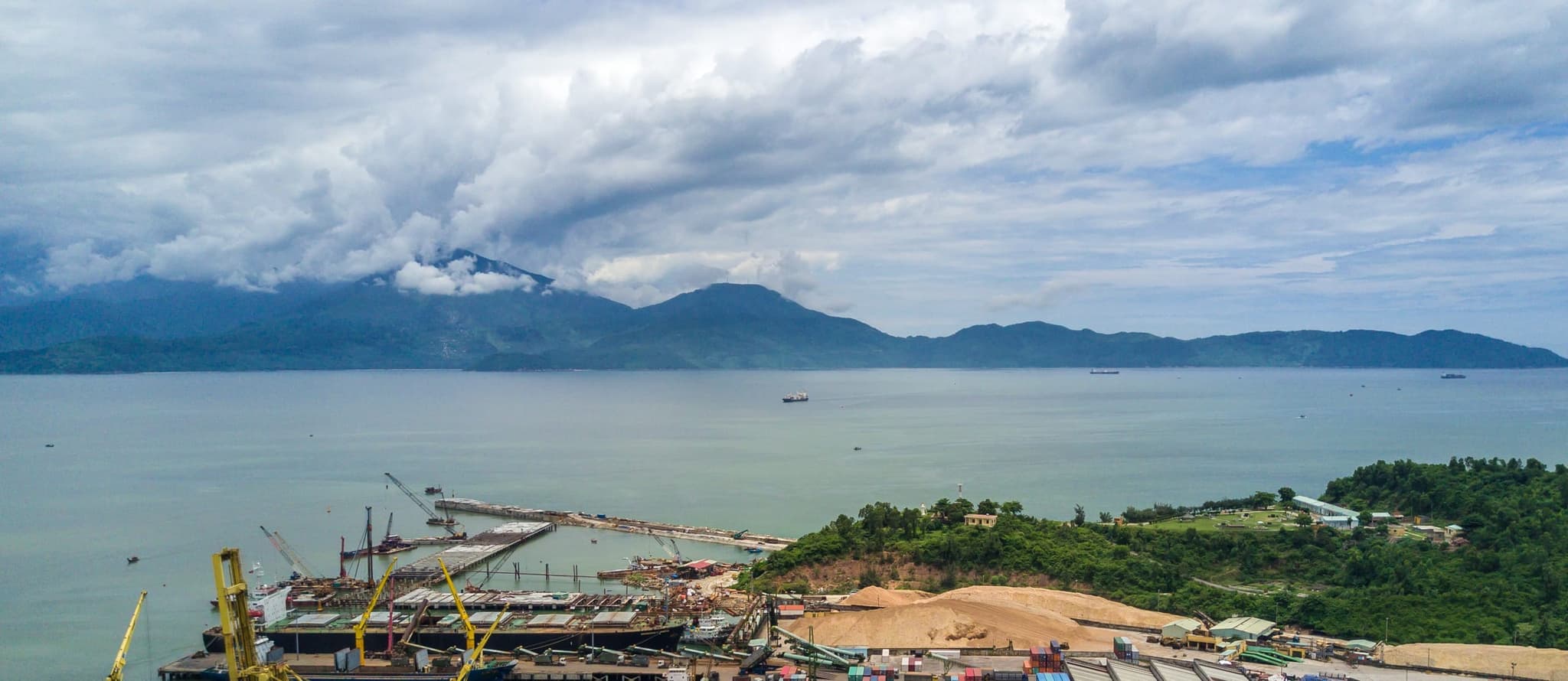
Climate-resilient, environmentally sound, socially responsible port infrastructure.
Structure
How the toolkit is organized
- 3
Dimensions
Three lenses on sustainable port management: Governance, Planning and Development, and Operations.
- 17
Aspects
Seventeen thematic areas, from regulatory compliance to decommissioning, that structure the guidance.
- 94
Practices
Concrete, implementable practices under each aspect, with case studies, enabling factors, and SDG mapping.
Case studies
For every practice, the toolkit includes case studies from Asia and the Pacific and around the world, drawing on a library of over 170 examples.
Common questions
Is there a subscription fee?
No. The Green Ports Toolkit is free and open access, funded by the Asian Development Bank (ADB). You can browse the guidance and resources without an account. Create an account or accept an invitation to save and manage your organization’s ports, assessments, and projects.
Does using the toolkit lead to accreditation or certification?
No. The toolkit is a planning and decision-support tool. It references certification and accreditation schemes, but using it does not award certification or accreditation. Each scheme has its own requirements and assessment process.
How often should we update our information?
You decide when to update your information. Reviewing it annually or every two years is a reasonable starting point, and you can update it sooner when circumstances change. Creating a new maturity assessment keeps your earlier assessments, so you can review the history over time.
Who can see our data, and what access rights can we assign?
Your organization’s data is not publicly accessible. Organization admins manage the organization, its members, and invitations, and have access to all its ports. Editors can update ports, assessments, and projects within their assigned port access. Viewers can read that information without editing it. Admins can give Editors and Viewers access to all ports or selected ports. As the toolkit’s sponsor, ADB has visibility of all data held on the platform, including every organization’s ports, assessments, and projects. This visibility is a condition of using the toolkit, accepted on behalf of the organization when it is created.
What if someone forgets their password?
Use Forgot password? on the sign-in page, and the toolkit emails a code to reset the password. Organization admins cannot reset a colleague’s password on their behalf, but they can revoke an invitation and send a new one if a colleague never signed in. If you still cannot sign in, use Contact support under the sign-in form.
Can we manage several ports and work with external partners?
Yes. An organization can manage several ports. Regional bodies and consultancies can bring their port work together in one organization, and port authorities can invite terminal operators and other external collaborators. An organization admin invites each person using their own account and assigns a role and access to all ports or selected ports. Organization admins always have access to all ports.
Contributors and financing partners
The toolkit is delivered with the support of a network of contributors and financing partners.
Funding
The program is funded by the ASEAN Catalytic Green Finance Facility (ACGF), managed by the ASEAN Power Grid and Special Funds Unit of ADB's Southeast Asia Regional Department.
ACGF is an ASEAN Infrastructure Fund initiative that supports Southeast Asian governments to prepare and finance infrastructure projects that advance environmental sustainability and strengthen climate resilience. It is owned by ASEAN governments and ADB.
Webinars
Toolkit webinars are hosted on ADB's Southeast Asia Development Solutions (SEADS) platform and Development Asia.
Acknowledgements
We thank the ports, port operators, and other stakeholders who supported this project by sharing their insights, knowledge, and experience. Their input has been fundamental in shaping a toolkit grounded in real port operations.
Development
The Green Ports Toolkit was developed by SESG, with support from Moffatt & Nichol.