
01 · Why it exists
Ports at the center of a connected system
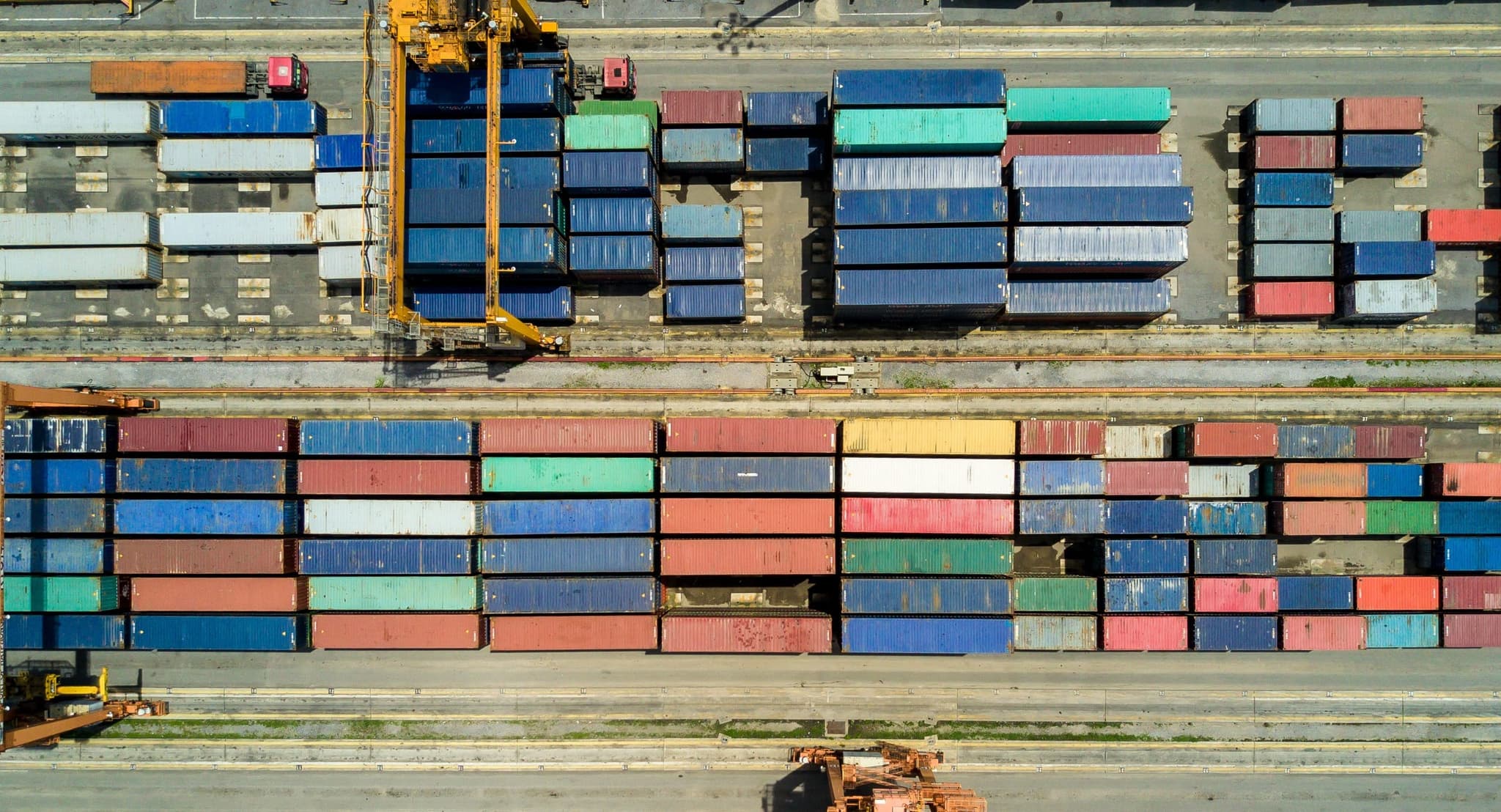
Ports are strategic gateways for economies across Asia and the Pacific. Around 80% of global merchandise trade by volume moves by sea, and Asia-Pacific handles roughly half of all seaborne cargo (UNCTAD, 2023). Ports across Asia and the Pacific sit at the center of this flow, connecting producers, consumers, and the supply chains the region's growth depends on. They are also exposed infrastructure assets: concentrated at the coast, often in sensitive environments, energy-intensive to run, and increasingly exposed to climate hazards.
The Green Ports Toolkit was developed to help ADB's developing member countries meet this dual reality, delivering port infrastructure that is environmentally sound, climate-resilient, and socially responsible, and aligned with sustainable finance frameworks such as the ASEAN Taxonomy for Sustainable Finance.
It translates international frameworks and standards into concrete practices, each with implementation guidance, enabling factors, case studies, and mapped UN Sustainable Development Goals, so that teams can move from ambition to an actionable program of work.
Within the toolkit, users can create a port project to draw together the aspects and practices relevant to their port, a structured starting point rather than a finished plan. From there, teams develop the site-specific detail, approval pathways, and local requirements needed to turn it into an actionable program of work.
Three dimensions, seventeen aspects, and concrete practices under each.
02 · How it connects
A layered system
For ports, sustainability doesn't exist in isolation. It sits within a layered system that connects global commitments, sectoral pathways, regional context, and port-level action.
At the outer level are the global commitments: the big-picture goals that set direction. These include climate adaptation and mitigation, labor rights and seafarer welfare, inclusive economic growth, health and wellbeing, protection of oceans and land, circular economy, and food security.
Beneath this sit sectoral pathways, which translate those global goals into the maritime context. This includes IMO regulations, biosecurity protocols, reception facilities, alternative fuels, and benchmarking programs, each providing a practical roadmap for ports and operators.
The next layer is the regional and jurisdictional environment, which determines how international frameworks are actually applied on the ground. Regulatory maturity varies across the region, and this is where global standards meet local law, policy, and capacity.
At the center, where all these layers converge, is port-level implementation: the operational reality of stewardship, compliance, workforce development, stakeholder engagement, investment, and governance.
This layered structure creates both opportunities and challenges. Ports often navigate overlapping frameworks with different timelines and requirements, and uneven regulatory maturity across the region can lead to fragmentation. At the same time, these shared global standards create a common baseline, a common language for vessels, ports, and governments to collaborate on sustainability and resilience.
Every port operates within, and contributes to, this broader system. The challenge is making sure the layers connect, so that international ambition leads to local action and measurable impact on the ground.
03 · Who it's for
Designed for ports and financing partners
The Green Ports Toolkit is designed for ports and financing partners.
For ports, it provides a way to draw on leading practice and build a structured starting point for an actionable program of work to support green and resilient operations. The toolkit has been developed to include a range of practices applicable across the full spectrum of ports, from small fishing ports through to the largest container terminals.
For financing partners, it provides a common reference point to assess and support that program of work, helping ensure proposals are grounded in recognized practice and structured in a way that supports funding decisions.
In both cases, the toolkit does the same job: it turns leading practice into a practical, fundable starting point.
04 · How it is built
From ambition to a sequenced plan
Rather than a single checklist, the toolkit is organized into three dimensions, seventeen aspects across the port lifecycle, and over 85 concrete, implementable practices under each aspect. Every practice carries implementation guidance, enabling factors, case studies, and mapped UN Sustainable Development Goals, so a team can move from a broad ambition to a specific, sequenced program of work.
Where applicable practices are also aligned to the technical screening criteria of the ASEAN Taxonomy for Sustainable Finance, giving ports and financing partners a direct line of sight between a practice, the evidence behind it, and the criteria used to assess sustainable finance eligibility.
Supporting this structure is a Resources section, bringing together the Green Ports webinar series, blog posts, guidance documentation, and other supporting reports in one place, so teams can go deeper without leaving the toolkit.