Aspect
Social Licence and Community Engagement
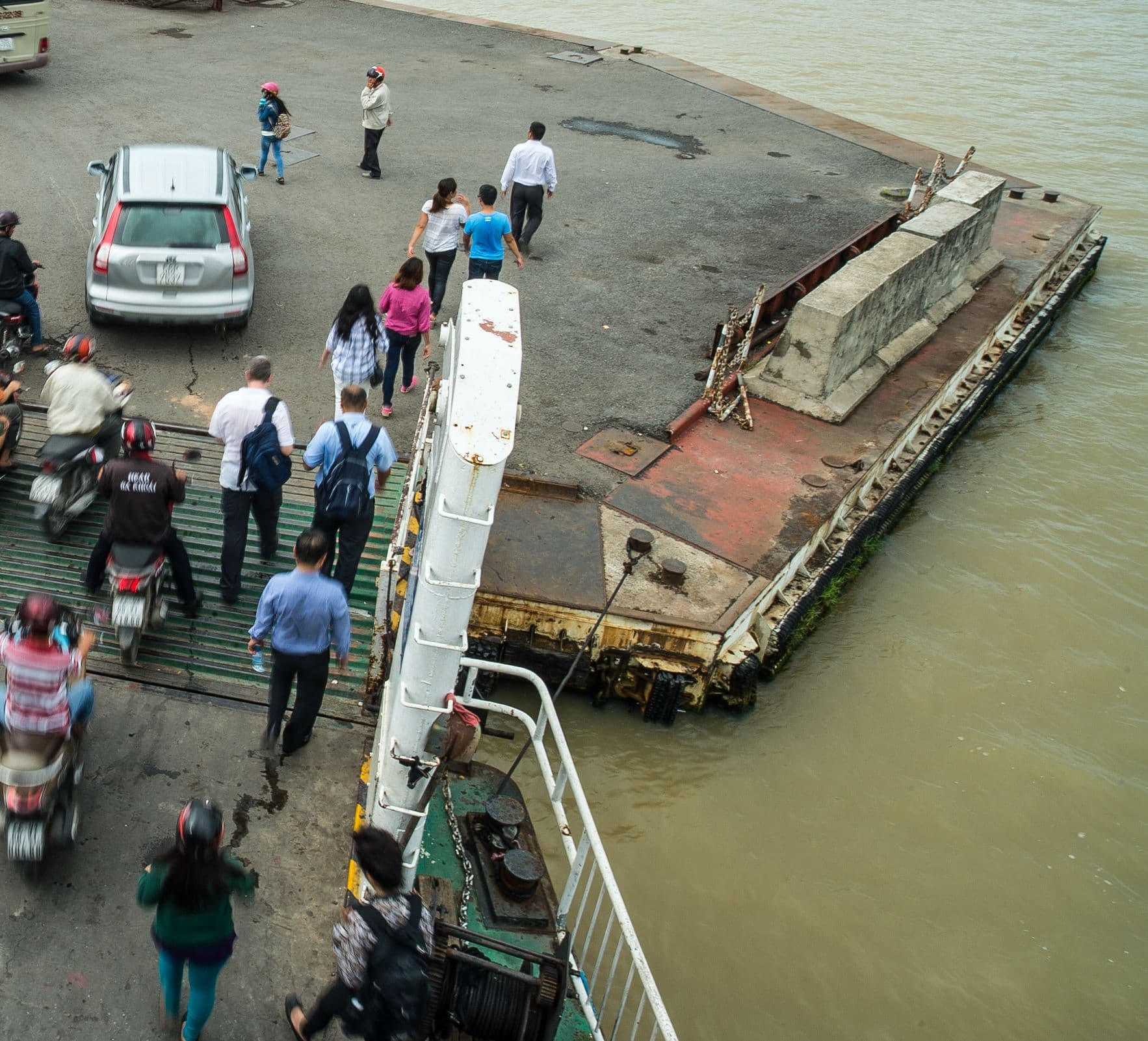
Social licence and community engagement span all three dimensions. Governance encompasses engagement policies, grievance mechanism oversight, and reporting frameworks. Planning and Development covers consultation and participation during new developments. Operations includes ongoing engagement, community programs, grievance handling, and education.

Summary
Social licence and community engagement is a foundational governance aspect of green port management, encompassing the ongoing acceptance and trust that ports earn from the communities and stakeholders affected by port operations, developments, and decisions.
For ports across Asian Development Bank (ADB) Developing Member Countries (DMCs), social licence is particularly significant given the proximity of many ports to dense urban populations, fisheries dependent communities, and Indigenous and traditional coastal communities.
Internationally, social licence and community engagement in ports are shaped by standards and frameworks including the International Finance Corporation (IFC) Performance Standards on Environmental and Social Sustainability, particularly Performance Standard 7 on Indigenous Peoples (IFC, 2012), the Asian Development Bank (ADB) Environmental and Social Framework (ADB, 2024), and the International Labour Organization (ILO) Guidelines for a Just Transition (ILO, 2015). Social impact assessment methodology is documented by the International Association for Impact Assessment (Vanclay et al., 2015).
Effective port social licence and community engagement encompasses several complementary practices:
- systematic stakeholder engagement,
- transparent reporting on activities and performance,
- delivery of community benefits and strategic giving, accessible grievance mechanisms, and
- stakeholder education and awareness.
These practices collectively can reduce conflict and project delays, improve decision quality through local knowledge, build long term trust and cooperation, enhance legitimacy of port activities, and support equitable development (IFC, 2012; ADB, 2024).
Grievance mechanisms are a core component of IFC Performance Standards and ADB Environmental and Social Framework requirements, with structured guidance provided in the IFC Good Practice Note, Addressing Grievances from Project-Affected Communities, (IFC, 2009). Digital stakeholder engagement platforms can support structured engagement at scale.
This aspect contributes to United Nations Sustainable Development Goal (SDG) 10 (Reduced Inequalities), SDG 11 (Sustainable Cities and Communities), SDG 16 (Peace, Justice and Strong Institutions), and SDG 17 (Partnerships for the Goals). Strong social licence and community engagement can protect community wellbeing, support equitable benefit sharing, reduce social conflict, and strengthen the long term sustainability of port operations (ADB, 2024; United Nations, 2015).